Skip to content

About Trans-Fil

Mill lubricant accumulates metal fines and tramp oil. The degraded fluid loses lubricating capacity and accelerates roll and die wear: marks appear on the tube surface, scrap increases and coolant is replaced more frequently, with the associated disposal cost. Centralized filtration, magnetic separation and tramp-oil recovery, sized against the line’s actual flow rate and layout. Fluid returns to the mill clean, at stable temperature and pressure. Protects forming tooling, extends fluid service life several times over and reduces scheduled downtime for coolant changes. Process filtration for lines that cannot stop. Engineered on the plant floor, built in Córdoba, serviced across the region.

Frequently asked questions

Is it applicable to ERW, HFW and roll-forming lines?
Yes. The system is sized around flow rate and fluid type, not around the mill manufacturer. We work on ERW and HFW welded-tube lines, cold roll-forming lines and drawing lines.
Can the existing tank be adapted?
In most cases yes, and it is the more common route: the tank is retained and the missing stages are added — magnetic separation, belt filter or skimmer — together with the pumping station. The survey determines whether an adaptation or a new unit is appropriate.
Which contaminants are removed?
Three, through independent stages: ferrous fines by magnetic separation, non-ferrous and coarse solids by belt filter, and tramp oil by skimmer or coalescing separator. No stage substitutes for the others.
What results can reasonably be expected?
In installations with adequate treatment, coolant service life increases by a factor of 2 to 4, coolant changes fall by 50% to 70% and tool service life rises by 10% to 30%. These are typical ranges: figures for each line are established during the survey.
What is the response time?
Under 24 business hours. The reply is issued by a technical advisor and includes a defined next step: the additional information required, or a proposed date for the plant visit.
Form or WhatsApp?
Both channels reach the same technical team and carry the same response time. The form allows the line conditions to be described in detail; WhatsApp is quicker for a preliminary enquiry.
[ Process filtration · Tube forming · ERW / HFW / Roll forming / Drawing ]

Contaminated fluid shortens tooling life and drives up scrap.

Centralized filtration for tube-forming lines: magnetic separation, solids filtration and tramp-oil recovery. Built in our own workshop in Córdoba. A plant survey precedes every technical proposal.

01
2–4× coolant service life
02
−50/70% coolant change frequency
03
+10/30% tool service life

Typical ranges in installations with adequate treatment. Figures for each line are established during the plant survey.
[ 01 — The problem ]

Fluid condition determines tooling service life.

SYMPTOM

Mill lubricant accumulates metal fines and tramp oil. The degraded fluid loses lubricating capacity and accelerates roll and die wear: marks appear on the tube surface, scrap increases and coolant is replaced more frequently, with the associated disposal cost.

SOLUTION

Centralized filtration, magnetic separation and tramp-oil recovery, sized against the line’s actual flow rate and layout. Fluid returns to the mill clean, at stable temperature and pressure.

BENEFIT

Protects forming tooling, extends fluid service life several times over and reduces scheduled downtime for coolant changes.

[ 02 — The system ]

Three filtration stages and one process station.

Each stage removes a different contaminant. Installed in series on the line’s tank, the fluid returning to the mill carries no ferrous fines, solids or tramp oil.

F01

Ferrous fines → magnetic separation

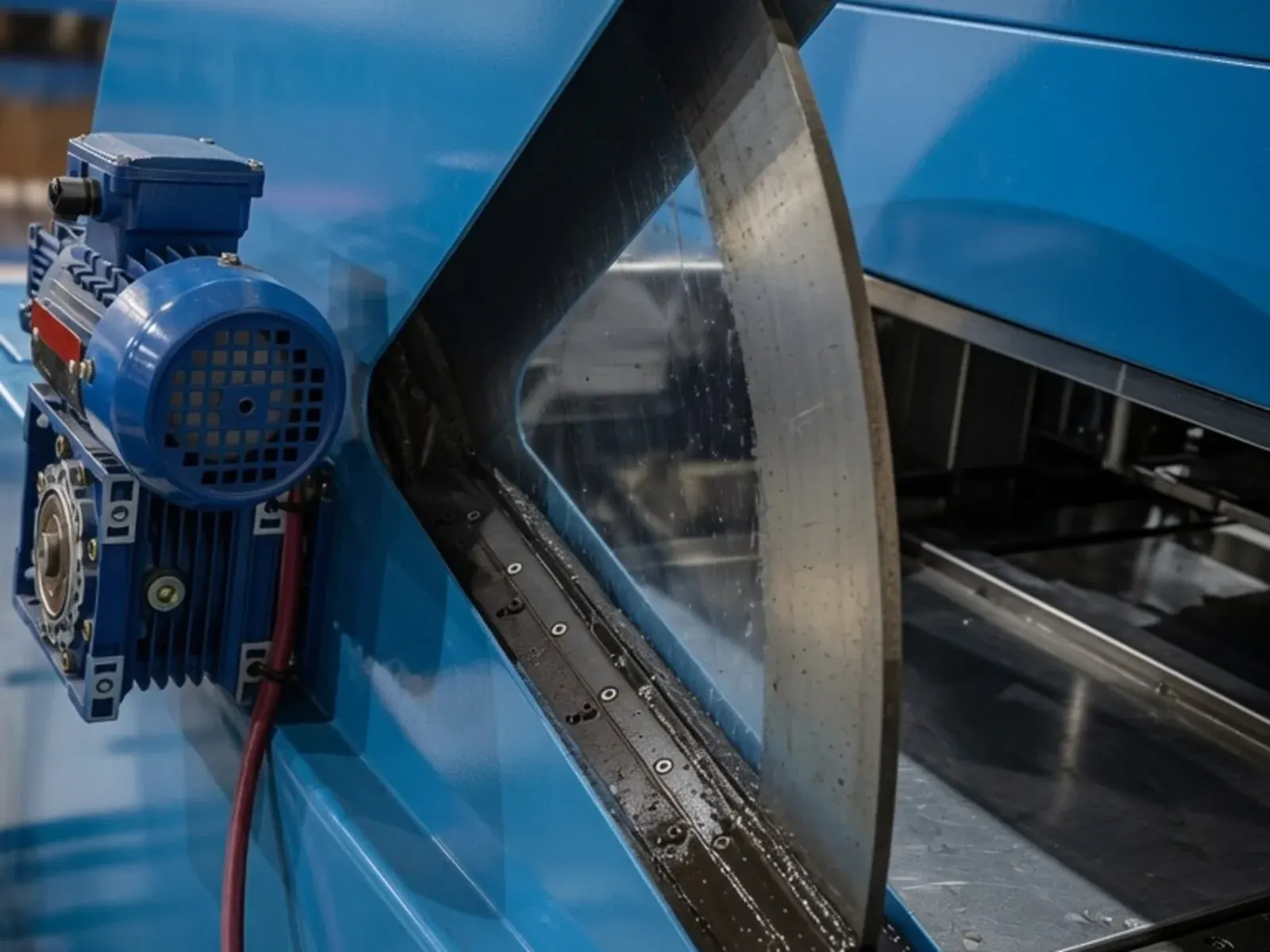
Drums and magnetic bars that remove micrometric ferrous particles ahead of the main filter. This is the stage that prevents premature saturation of the filter cloth, and the one with the greatest effect on tube surface finish.

Trans-Fil gravity belt filter
F02

Solids → belt filter

Gravity filtration with paper or textile cloth, advanced automatically according to bath level. Low operating cost and dry rewound residue, suitable for disposal without further handling.

Trans-Fil oil-recovery skimmer
F03

Tramp oil → skimmer

Belt skimmers and coalescing separators that remove tramp oil, the main cause of falling pH, odour and premature disposal of the emulsion. Its removal is the single variable with the greatest impact on fluid service life.

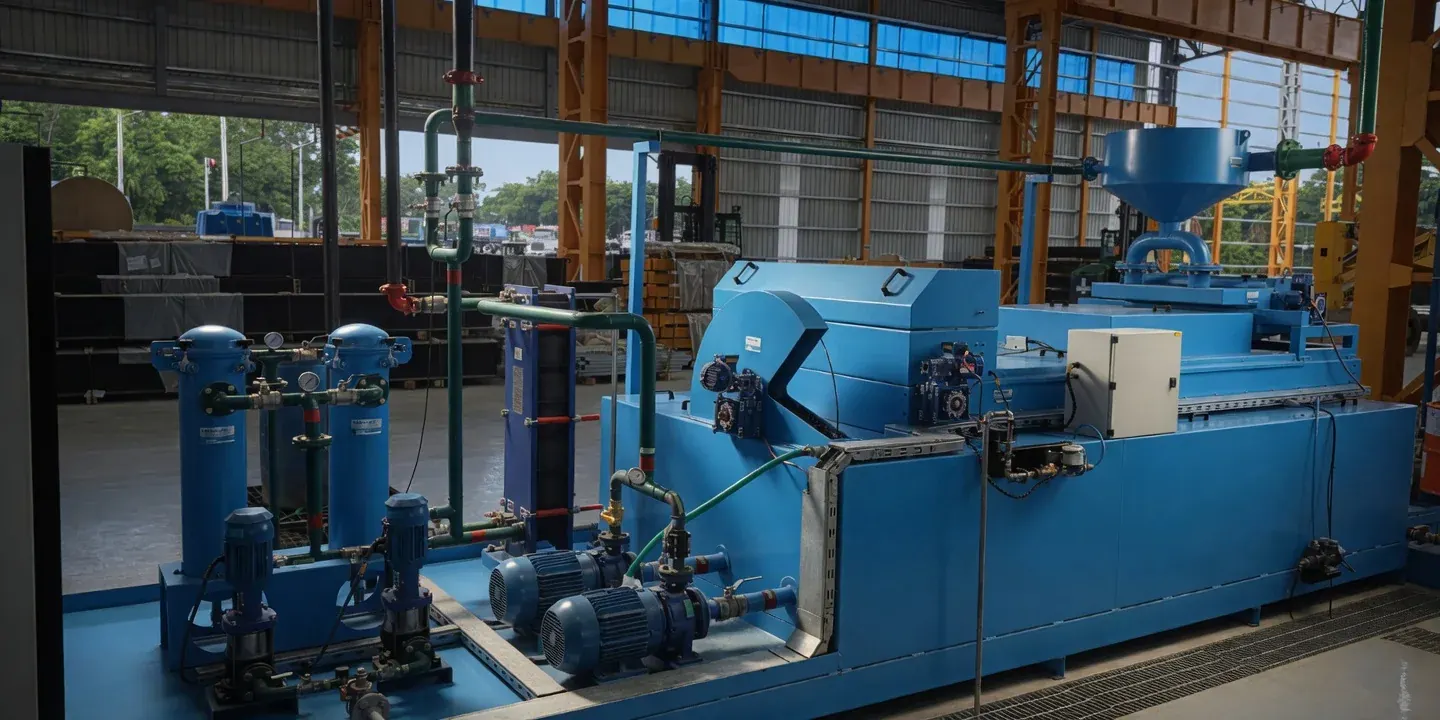
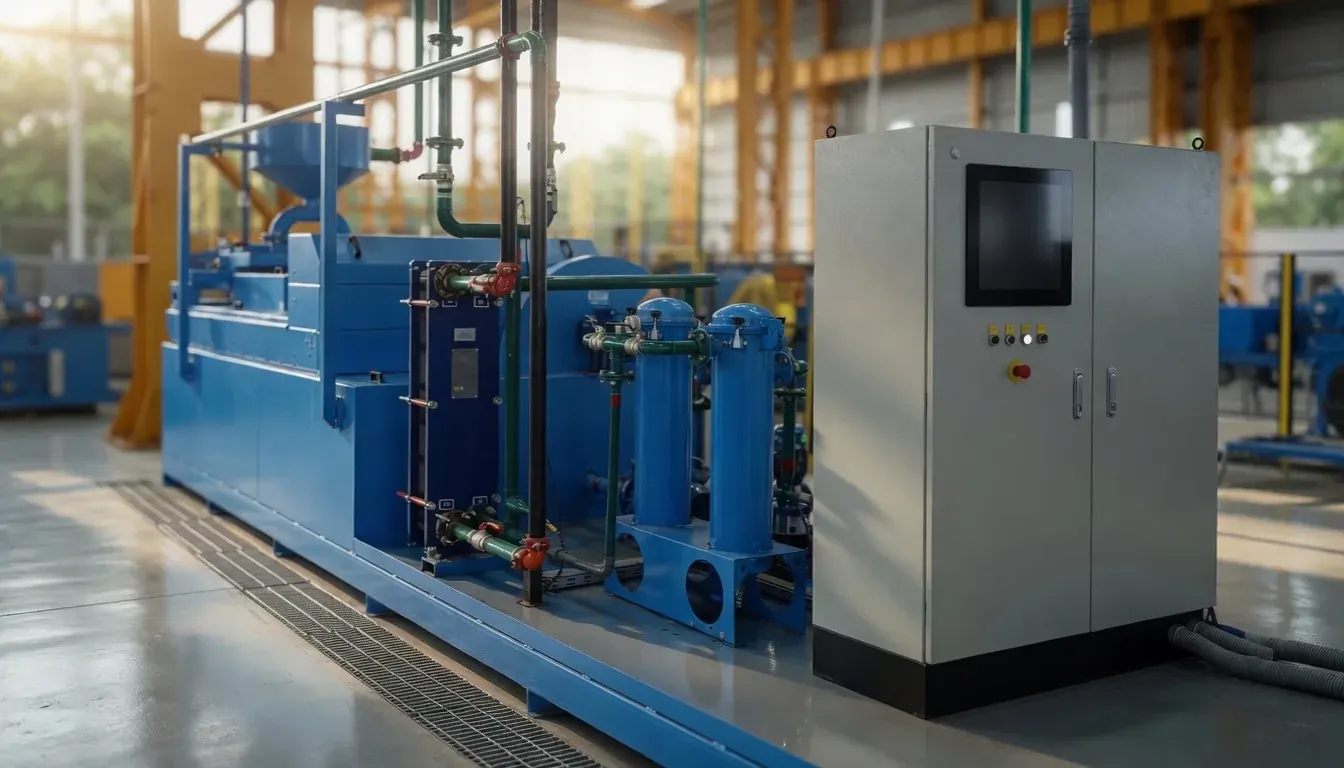
Trans-Fil central filtration station: pump skid, filter housings, heat exchanger and tank
F04

Integration → central filtration station

Pumping, pressurization and temperature-control station feeding the entire line. Maintains stable flow and temperature regardless of demand at each position, with pressure and level monitoring and configurable alarms.

[ 03 — Why Trans-Fil ]

Manufactured in our own Córdoba workshop, serviced across the region.

[ 04 — Track record ]

Plants operating with Trans-Fil equipment.

Steel, tube, automotive and machine-tool plants across Argentina and the region.

[ 05 — Plant survey ]

The plant survey precedes the proposal.

Tell us which line is involved and which fluid it runs. A technical advisor replies within 24 business hours with a defined next step.

[ 06 — Frequently asked ]

Questions we are commonly asked before the survey.

Is it applicable to ERW, HFW and roll-forming lines?

Yes. The system is sized around flow rate and fluid type, not around the mill manufacturer. We work on ERW and HFW welded-tube lines, cold roll-forming lines and drawing lines.

Can the existing tank be adapted?

In most cases yes, and it is the more common route: the tank is retained and the missing stages are added — magnetic separation, belt filter or skimmer — together with the pumping station. The survey determines whether an adaptation or a new unit is appropriate.

Which contaminants are removed?

Three, through independent stages: ferrous fines by magnetic separation, non-ferrous and coarse solids by belt filter, and tramp oil by skimmer or coalescing separator. No stage substitutes for the others.

What results can reasonably be expected?

In installations with adequate treatment, coolant service life increases by a factor of 2 to 4, coolant changes fall by 50% to 70% and tool service life rises by 10% to 30%. These are typical ranges: figures for each line are established during the survey.

What is the response time?

Under 24 business hours. The reply is issued by a technical advisor and includes a defined next step: the additional information required, or a proposed date for the plant visit.

Form or WhatsApp?

Both channels reach the same technical team and carry the same response time. The form allows the line conditions to be described in detail; WhatsApp is quicker for a preliminary enquiry.

Process filtration for lines that cannot stop. Engineered on the plant floor, built in Córdoba, serviced across the region.

Request a plant survey
WhatsApp